DBT for BPD at OICBT

Evidence-based support at OICBT for Borderline Personality Disorder, emotion dysregulation and DBT treatment, with care matched to your needs, goals and preferences.

Find a Therapist Contact Us

Comprehensive DBT Care

Borderline Personality Disorder often involves difficulties with emotional regulation, relationships, self-image and impulsive behaviour that can create significant distress and instability. OICBT offers a comprehensive DBT Program based on Marsha Linehan’s evidence-based model for Borderline Personality Disorder. The program combines individual psychotherapy with weekly skills group training and is designed for people experiencing intense emotions, relationship difficulties and behaviours that are hard to manage. OICBT also lists intensive DBT options when a higher dose of support is needed.

  • Core DBT skills include mindfulness, emotion regulation, interpersonal effectiveness and distress tolerance.
  • The program includes skills group, individual therapy, case management and consultation-team support.
  • Intensive DBT can add coaching sessions, coached calls and family or interpersonal support where appropriate.

Therapists for BPD and DBT

Review OICBT clinicians who list bpd and dbt or related concerns among their focus areas.

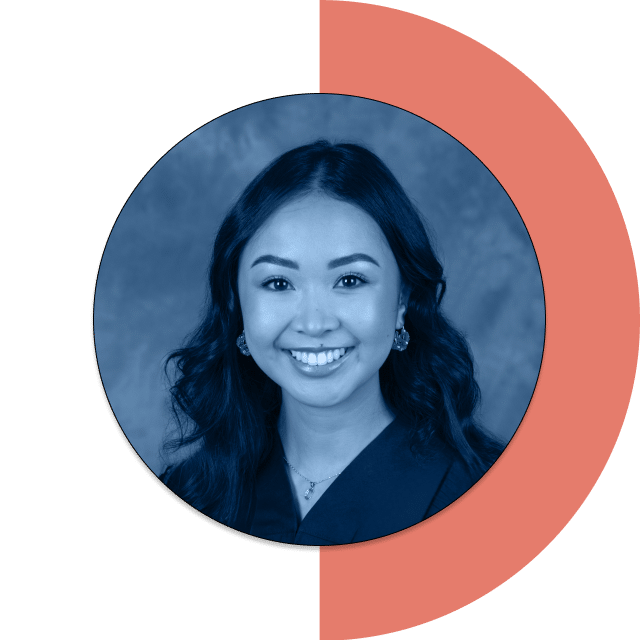
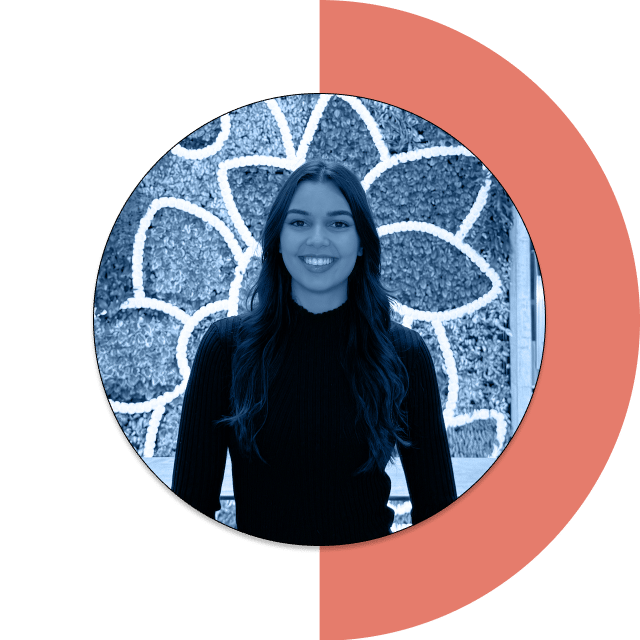
Allie Grady

Practicum Student; Clinical Psychology

Julia Novielli

Practicum Student; Clinical Psychology

Kate Van Kessel

Practicum Student; Clinical Psychology

Cheiyenne Fontanilla

Practicum Student; Clinical Psychology

Morgan Joseph

Practicum Student; Clinical Psychology


Questions About BPD and DBT

Use these answers to understand OICBT services, therapy options and intake fit for bpd and dbt.

OICBT describes DBT as an evidence-based model for Borderline Personality Disorder and emotion dysregulation.

The standard program includes individual psychotherapy and weekly DBT skills group training.

OICBT lists mindfulness, emotion regulation, interpersonal effectiveness and distress tolerance skills.

Yes. OICBT lists intensive DBT options with additional coaching, calls and family or interpersonal support.

OICBT notes intensive DBT may also help with anxiety, depression, trauma, OCD, substance misuse and eating disorders.